Why Consider Retrocommissioning
Ken Rackowski, Executive VP, Control’s Division, recently contributed to Commercial Property Executive’s viewpoints Section, which is their forum for guest columns and commentary.
Tier II and Tier III markets are experiencing a rise in hosting demand as content moves to the edge. These smaller facilities in outlier locations extend the “edge” of the Internet further from the traditional Internet hubs such as New York City.
In recent years, building management systems (BMS) have become smart and as a result, the Internet of Things is a topic being discussed by facility managers with greater frequency.
A dense data center does not inherently mean that it will have greater efficiency (typically, quite the opposite is true).
A key strategy for university energy efficiency is unarguably LED lighting. LED lighting retrofits make a significant impact on energy intensity, usage, and efficiency in facilities at colleges and universities.
The data center industry’s ability to improve energy efficiency is massive. According to the latest U.S. Data Center Energy Usage Report published last year that examines data from 2014, data centers in the U.S. consumed an estimated 70 billion kWh.
Data center facilities of all types must monitor power and cooling data to be responsive when things go wrong, but they don’t often analyze combined data to obtain operational efficiencies.
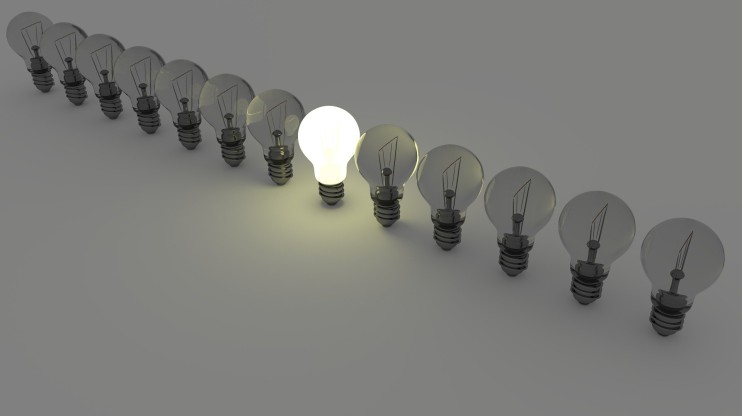
Long before the invention of LED lighting technology, the incandescent bulb helped to launch the era of modern lighting.