Image

Why Inconsistent Facility Data Threatens Retail Chains
Deciding whether inconsistent facility assessments across retail locations and distribution centers require new vendors or a unified reporting structure.
Deciding whether inconsistent facility assessments across retail locations and distribution centers require new vendors or a unified reporting structure.

Why documenting your energy procurement decisions, and leveraging independent advisory, matters more than ever for risk, compliance, and budget certainty.

In energy management, peak demand periods mark the times when the electricity grid faces its greatest strain, often during extreme weather events like heat waves or cold snaps.
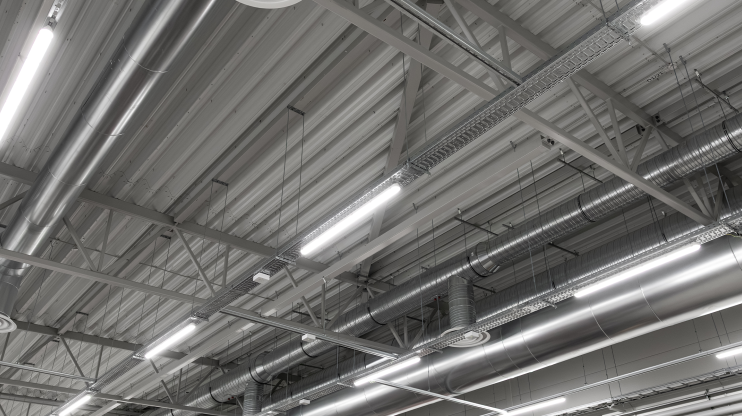
In 2026, the business case for replacing 10-year-old LEDs could even be stronger than the original swap from fluorescent.

Smart building technology promises a lot. Better visibility. Lower energy costs. Fewer operational surprises. Smarter decision-making. The opportunity is significant.
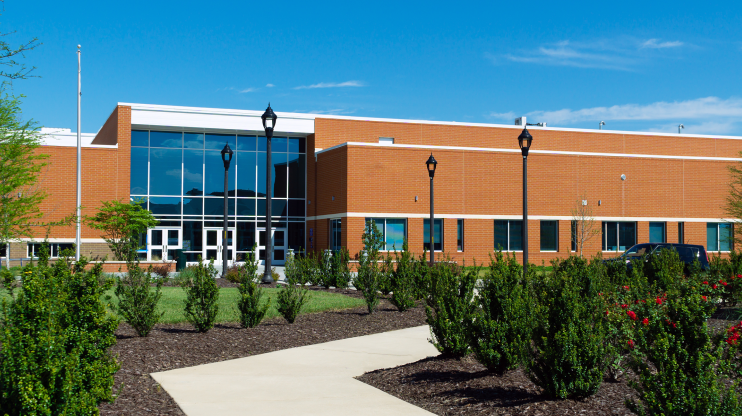
Spend time with any K–12 facilities team, and you start to hear the same patterns emerge. Roofs are aging faster than they can be replaced. HVAC systems are limping along past their expected life.

The financial case for facilities investment has always been hard to make. It competes with clinical priorities, capital is tight, and the work is largely invisible until something breaks. But the math is shifting.
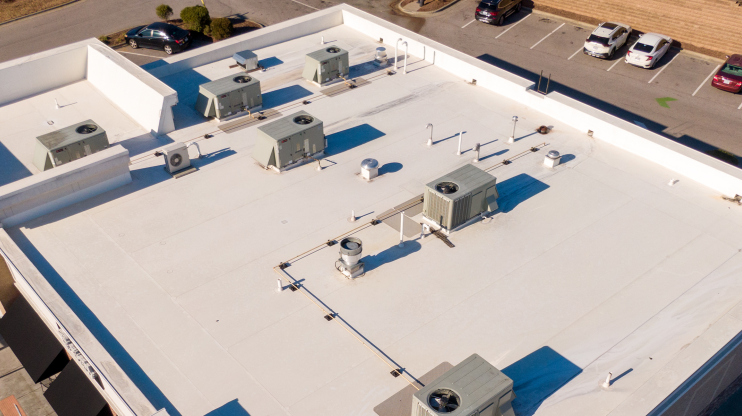
Most experienced facilities leaders know the feeling — a capital budget that never quite stretches far enough, and a backlog that seems to grow faster than the funding available to close it. That feeling has a price tag, and it compounds year over year.