Image

Meeting the Challenges of Data Center Lighting Projects
Data centers are facilities that contain concentrated infrastructure of equipment for the purpose of computing data.
Data centers are facilities that contain concentrated infrastructure of equipment for the purpose of computing data.
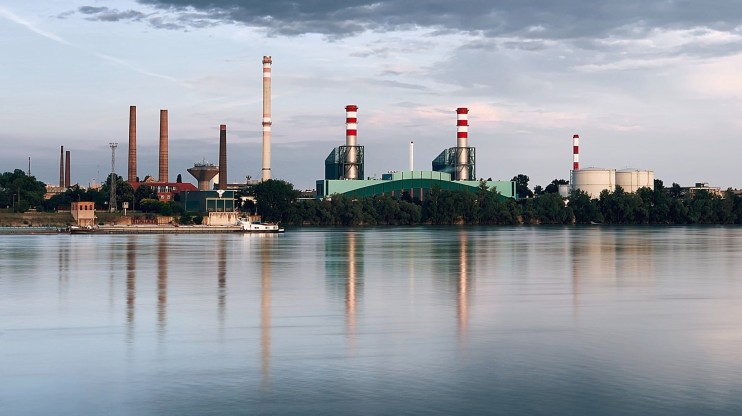
Breaking down energy use by industry can also help identify the potential for energy efficiency in that sector as well. Commercial/industrial companies can figure out where to concentrate time and resources on efficiency tactics based on building type.

Today’s engineers design modern data centers with state-of-the-art cooling infrastructure, taking into account the vast power needed to keep them cool.

The human brain stores a lot of data. The brain has the potential to store as much as a petabyte of information. A computer with that capacity would weigh 293 lbs which is still over 4 cubic feet of space. We do it in the space of a few fists.

Live here, work here, been here, you know how it is: there’s no space in Manhattan. This makes major building equipment upgrades – like rooftop units or boiler replacements – challenging depending on the building’s layout and location.

Data centers are notorious for their inefficient use of energy. At the end of 2017, Forbes reported global data center electricity use to be about 416 terawatts (4.16x 10¹⁴ watts) or 3% of the total electricity consumed.

If you’re managing a facility with standard HVAC/mechanical systems, you probably have some form of a Building Management System (BMS). Like how the iPhone changed communication with its launch in 2007, BMS have fundamentally changed.

A dense data center does not inherently mean that it will have greater efficiency (typically, quite the opposite is true).