The 4-Step Pathway to High-ROI Sustainability: A Guide for Retailers
In the evolving landscape of retail, sustainability has emerged as a key factor in reducing operating costs, managing regulatory risk, and meeting investor and market demands.
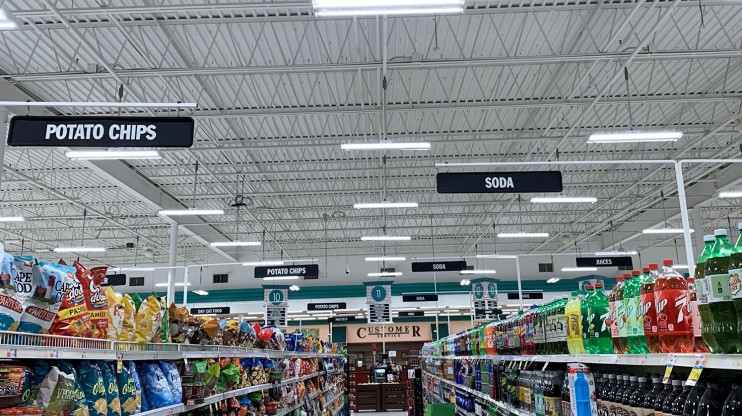
This Price Chopper/Market 32 grocery sustainability project delivered solutions many grocery stores and supermarkets would benefit from.
Director of Project Management for Mantis Innovation, Tom Cashman, has offered a strong background in energy efficiency during his 5+ years with the team.
Maybe you already know what the biggest energy wasters are in your supermarket. Rooftop units, lighting and outdated refrigeration systems all come to mind. If you don’t, your utility bill can help you determine where you can improve your energy usage.
Breaking down energy use by industry can also help identify the potential for energy efficiency in that sector as well. Commercial/industrial companies can figure out where to concentrate time and resources on efficiency tactics based on building type.
Supermarkets are a staple in our society, some of the most important and most frequently visited commercial locations in the country. They also make up one of the most energy dense industries.